Application Code
Primary source of software structure and composition analyzed by scanning agents.

Create visibility into software components, dependencies and vulnerabilities to strengthen software supply chain security and remediation.
Request a DemoModern applications depend on hundreds of third-party and open-source libraries. Cytrusst scans application code and builds to identify the components within them, so engineering and security teams share the same view of what’s actually shipping.
Every build gets scanned down to its individual libraries, so engineering teams can trace an application back to the exact components it was assembled from.
{
  "name": "my-application",
  "version": "1.0.0",
  "dependencies": {
    "react": "^18.2.0",
    "axios": "^1.6.0",
    "lodash": "^4.17.21",
    "moment": "^2.29.4"
  }
}| Component | Version | License | Risk |
|---|---|---|---|
| react | 18.2.0 | MIT | ● Low |
| axios | 1.6.0 | MIT | ● Low |
| lodash | 4.17.21 | MIT | ● Medium |
| moment | 2.29.4 | MIT | ● Medium |
MIT License Compliant
Apache 2.0 Compliant
GPL 3.0 Review
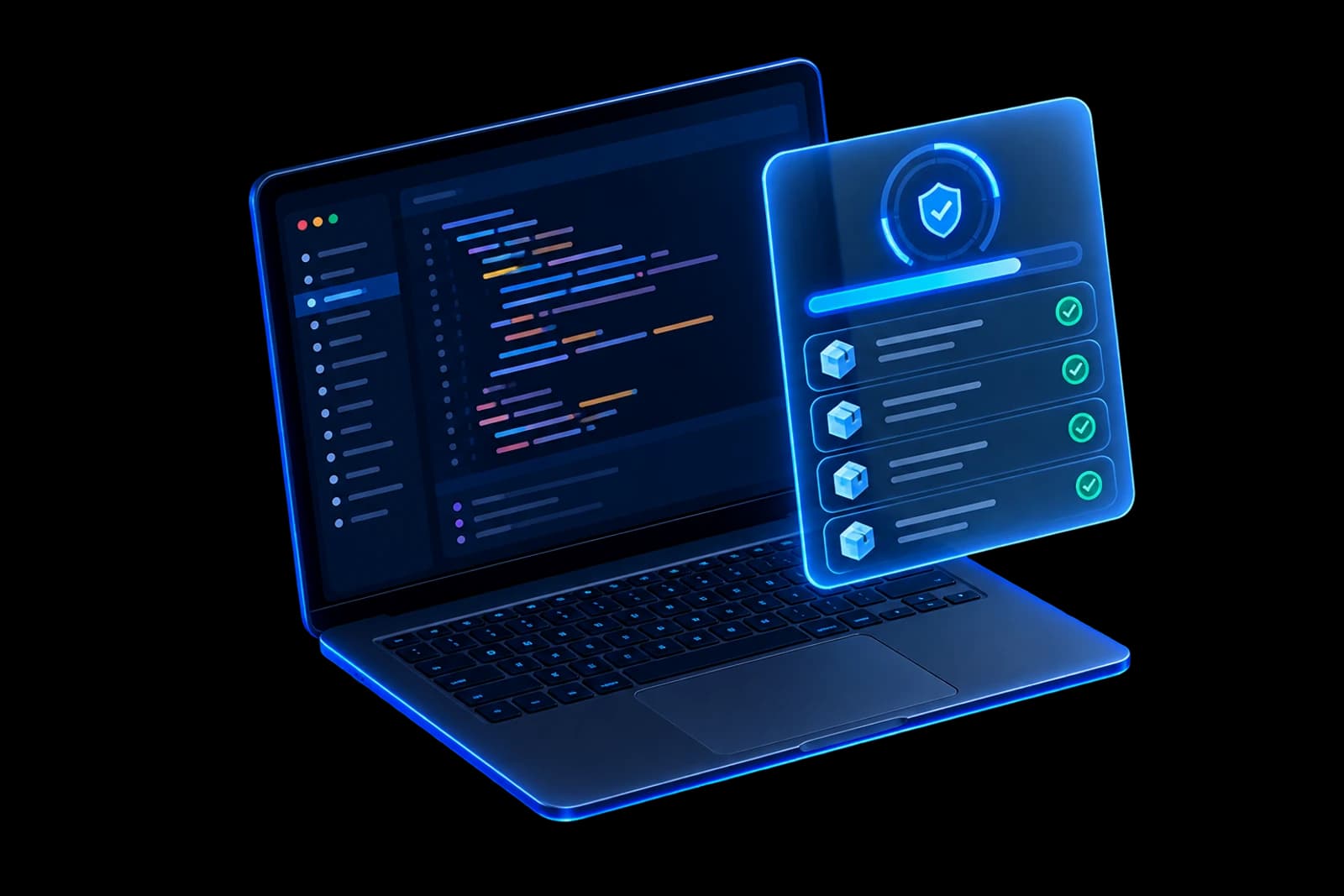
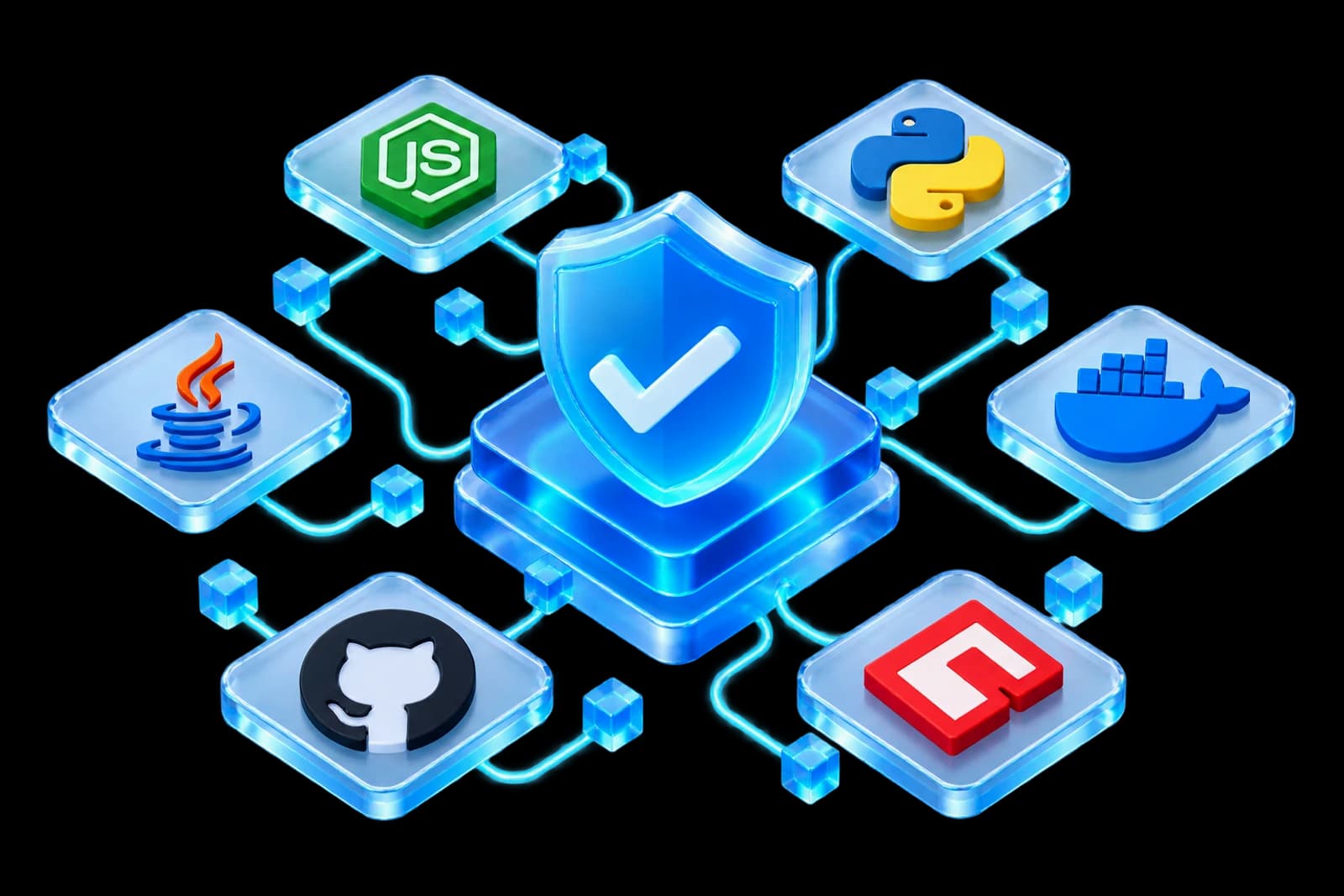
Scan application code and builds to identify third-party and open-source libraries without relying on manually maintained component inventories.
Primary source of software structure and composition analyzed by scanning agents.
Automated unpacking and auditing of imported libraries and external repositories.
Consolidated system of record logging exact materials, versions, and security metadata.
Capture library names, versions, and dependency details so your teams can understand where components are being used across applications.
| Library Name | Version | Dependency | Application | License | Risk | Last Scanned | Action |
|---|---|---|---|---|---|---|---|
| React | 18.2.0 | Direct | Web Portal | MIT | Low | Sep 28, 2026 | |
| Node.js | 20.4.1 | Runtime | API Gateway | MIT | Medium | Sep 28, 2026 | |
| OpenSSL | 3.3.0 | Transitive | Identity Service | Apache 2.0 | High | Sep 27, 2026 | |
| PostgreSQL | 15.2 | Direct | Data Warehouse | PostgreSQL | Low | Sep 28, 2026 | |
| Redis | 7.0.5 | Indirect | Session Store | BSD 3-Clause | Medium | Sep 27, 2026 |
Map identified libraries to known CVEs and vulnerabilities to understand where vulnerable components exist within your applications.
{
  "name": "my-application",
  "version": "1.0.0",
  "dependencies": {
    "react": "^18.2.0",
    "axios": "^1.6.0",
    "lodash": "^4.17.21",
    "moment": "^2.29.4"
  }
}Illustrative component findings and vulnerability associations.
| Vulnerability | CVE | Component | Vendor | Affected Version | Severity | Application | Status | Action |
|---|---|---|---|---|---|---|---|---|
| SQL Injection | CVE-2026-0142 | React | Cytrusst | 18.2.0 | Critical | Web Portal | Open | |
| Cross-Site Scripting | CVE-2026-0187 | Node.js | Open-Source | 20.4.1 | High | API Gateway | In Progress | |
| Deserialization Weakness | CVE-2026-0221 | Python | Third Party | 3.11.4 | Medium | Data Processor | Resolved | |
| Insecure File Upload | CVE-2026-0304 | Lodash | Open-Source | 4.17.21 | Medium | Admin Console | Open |
Turn component and vulnerability information into a clearer view of software risk. Identify affected libraries and focus remediation where vulnerabilities exist, instead of patching every dependency equally.
Not every vulnerable dependency deserves the same urgency. Cytrusst ranks affected libraries by exploitability and business impact so engineering teams patch the ones that matter first.

log4j2.17.1Critical
openssl3.0.2High
express4.17.1Medium
lodash4.17.21High
Uncover libraries and dependencies automatically inside your stack.
Correlate third-party and open-source libraries to active vulnerability databases.
Isolate software components causing systemic, operational, or compliance risk.
Assign remediation tickets and update packages to secure versions.
Track vendor and library usage across applications so security teams have a clearer understanding of the software components entering the environment.
6 Monitored applications
React 18.2.0
Lodash 4.17.21
Axios 1.6.0
+ 1,237 moreMicrosoft SDK 3.2.1
Google Cloud 2.18.0
AWS SDK 3.520.0
+ 317 moreDatadog Agent 7.52.0
SentinelOne 23.4.1
Twilio 4.19.0
+ 82 morecytrusst-ui 2.4.0
cy-common 1.8.1
cy-analytics 3.0.2
+ 43 more3 Environments covered
Identify third-party vendors and assess their risk based on known vulnerabilities.
Track library names, versions, and usage across all applications.
See component usage across development, staging, and production environments.
SBOM connects what is inside your applications with the vulnerabilities associated with those components.

Your software
Open-source & third-party
Exact version in use
Component relationships
Known vulnerabilities
Prioritized remediation
Software components can introduce vulnerabilities into the applications your business depends on. Cytrusst brings SBOM visibility into the broader cyber-risk environment, helping security teams connect component-level findings with vulnerability and risk management.
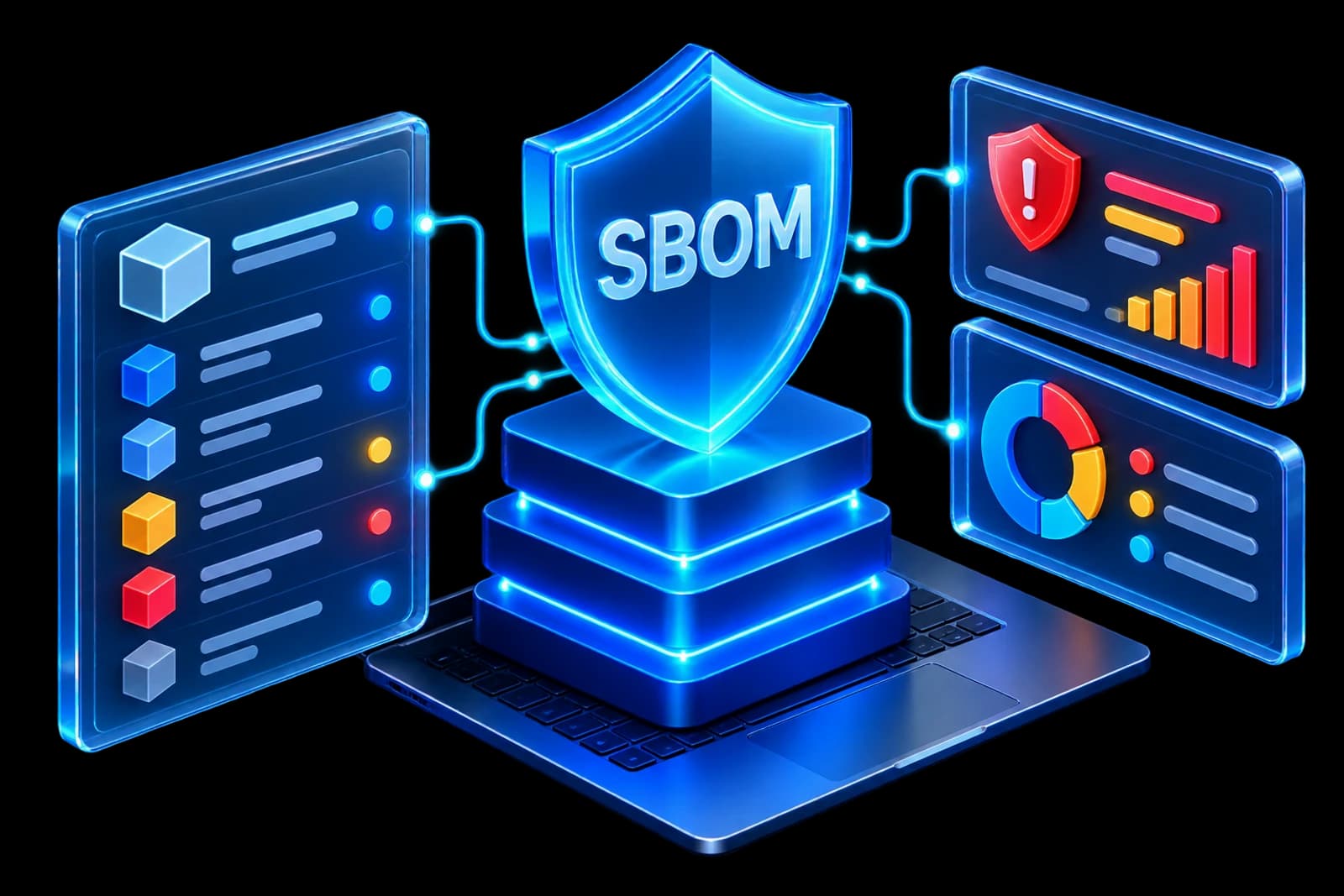
Foundational software inventory detailing all direct and indirect dependencies.
Continuous mapping of libraries to emerging threat channels and exploit databases.
Financial and compliance quantification of software vulnerability business impact.
Automated ticketing, SLA assignment, and package update workflows.
A vulnerable component may arrive through another package. Trace direct and transitive dependencies so the team responsible for the application can identify the update path.
Application owner and deployed release
Package version and source
Associated CVE and affected version
Validate package update and rescan dependencies
v2.3.0
Applicationv5.4.1
Direct dependencyv1.8.0
Transitive dependencyv1.8.1
Remediation pathValidate and verify
all dependencies
Discover Components. Map Vulnerabilities. Act on Risk.