Complete Asset Visibility
See every asset across your technology environment in one place.

Maintain a complete view of organizational assets, ownership, classification and exposure across your technology environment.
Request a DemoBring assets, ownership, classification and exposure into a single, connected view instead of fragmented spreadsheets and tools.
See every asset across your technology environment in one place.
Connect assets to owners, risk and the systems they support.
Understand which assets carry the greatest exposure.
Report on asset posture and coverage across the organization.
Keep the asset inventory current as the environment changes.
Maintain an inventory teams can trust for security and audit needs.
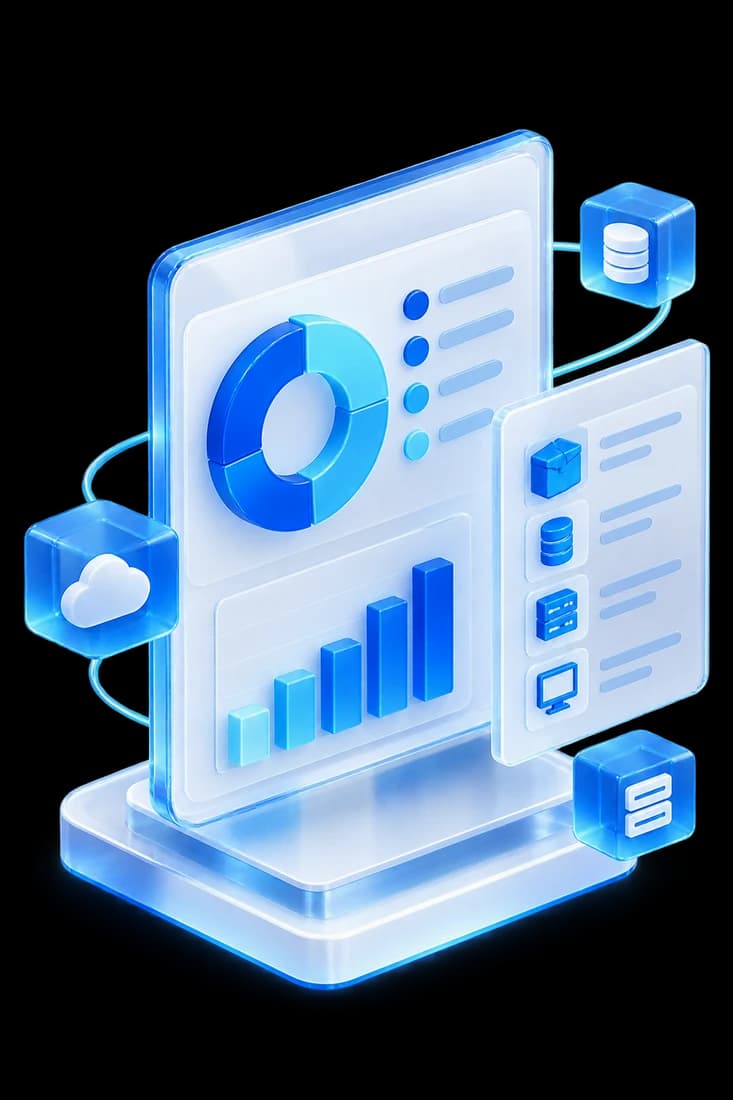

Explore real-world scenarios, spot the risks, build your defence and strengthen your security knowledge with engaging challenges.

Explore realistic workplace situations based on actual security incidents.
Spot security risks and understand their impact before they happen.
Choose the right security measures to prevent and mitigate risks.
Gain insights from real industry cases and security best practices.
Take interactive challenges to test and improve your skills.
Showcase your expertise and earn rewards for top performance.

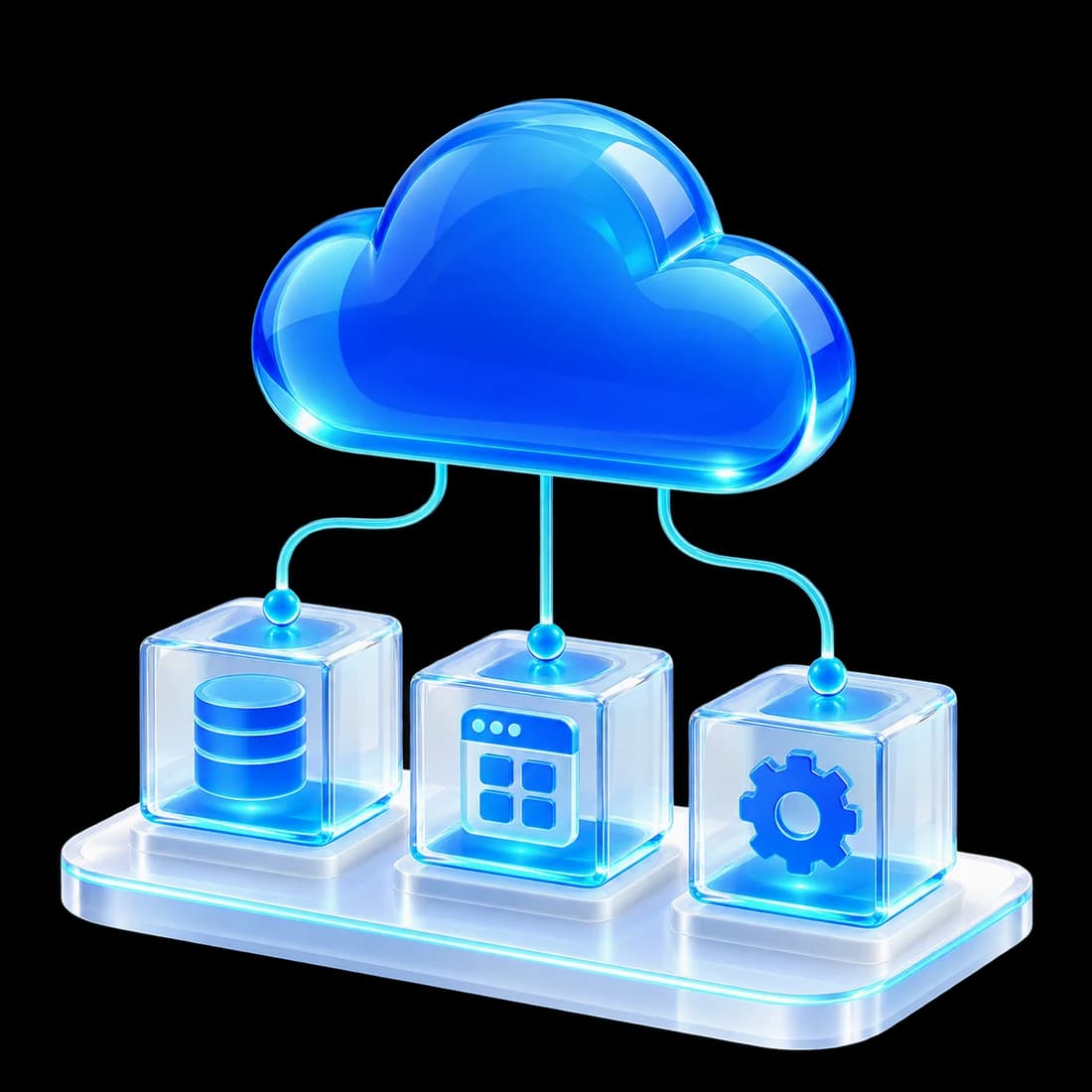
Maintain a unified inventory of hardware, software and cloud resources that stays accurate as your environment changes.
Maintain one current, centralized record of every asset.
Track both physical hardware and installed software assets.
Track cloud resources alongside traditional infrastructure assets.
Track changes to assets as they’re added, updated or removed.
Enrich assets with the metadata teams need to act on them.
Maintain a defensible history of the asset inventory over time.


Classify assets by criticality and sensitivity, and assign clear ownership so accountability is never in question.
Classify assets by type, criticality and business function.
Tag assets that store or process sensitive or regulated data.
Assign clear owners to every asset in the inventory.
Map assets to the business units and teams that rely on them.
Score assets by business criticality to prioritize protection.
Periodically review and confirm asset classification accuracy.
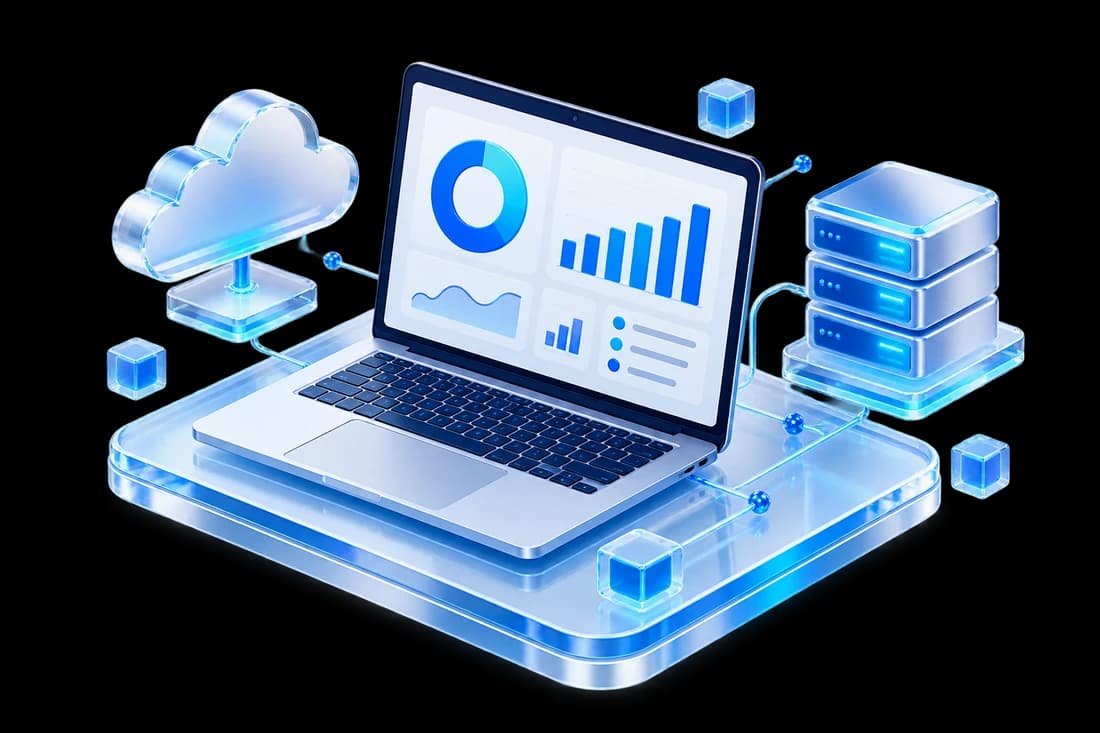
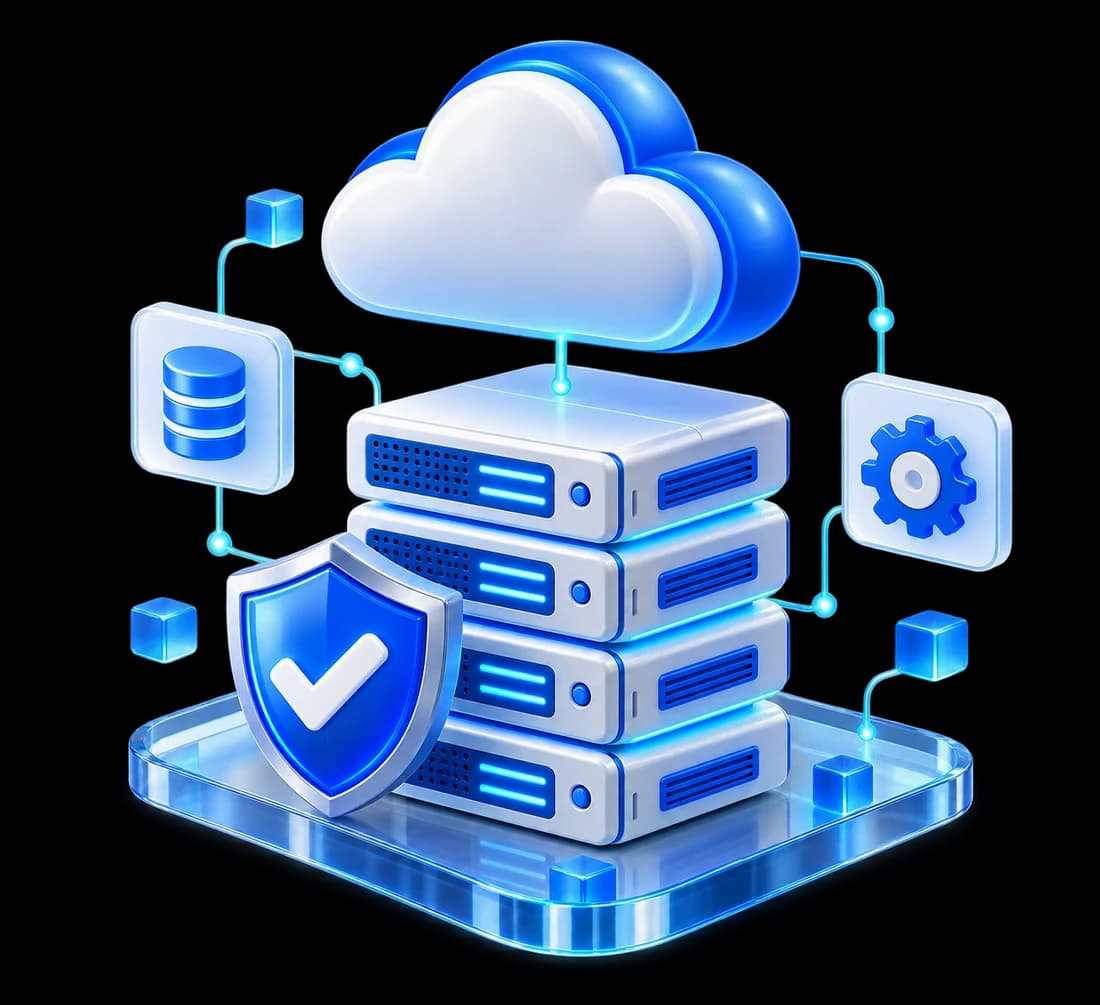
Track assets from procurement through deployment, ongoing updates, posture monitoring and secure retirement.
Source assets through approved vendors and maintain full procurement details.
Configure, provision and execute secure deployment in the environment.
Continuously monitor asset health and security posture, with real-time alerts.
Apply security patches, software updates and configuration changes.
Assess asset usage, performance, compliance and risks.
Decommission assets securely and maintain a complete retirement record.
Give service owners the inventory, criticality and lifecycle context needed to review asset changes.
See every asset across your technology environment.
Surface unmanaged and shadow assets before they become risk.
Assign accountable owners to every asset in the inventory.
Focus attention on the assets carrying the greatest exposure.
Keep the inventory accurate as your environment evolves.
Maintain a defensible asset record ready for any review.
A device, application or cloud resource supports something the business depends on. Connect ownership and lifecycle status to that dependency before deciding what to protect or retire.

Business owner and criticality
Application owner and lifecycle stage
Infrastructure owner and exposure
Owner approval and inventory update
Discover Assets. Classify Risk. Monitor Exposure.